

Abstract
The Iran–US conflict has emerged as a significant geopolitical risk to the stability of global supply chains, particularly because of its implications for energy security and maritime trade through the strategically vital Strait of Hormuz. Disruptions to the movement of crude oil, liquefied natural gas, petroleum products and other commodities has triggered a cascading impact on freight rates, insurance costs, port operations, manufacturing inputs and consumer prices across economies.
This article examines the wider supply-chain implications of the conflict, moving beyond the immediate impact of rising energy prices to analyse logistics disruptions, shipping risks, sourcing vulnerabilities, inventory pressures and inflationary consequences. It also evaluates the potential impact on India, given its dependence on imported energy and its growing role in global manufacturing and trade.
The crisis highlights a fundamental shift in supply-chain priorities—from cost optimisation and just-in-time efficiency towards resilience, diversification, visibility and strategic preparedness. The article argues that geopolitical risk must now be embedded within procurement, logistics and supply-chain strategy. It concludes by proposing key measures—including diversified sourcing, strategic inventories, multimodal transportation, alternative trade routes, digital supply-chain visibility and scenario-based contingency planning—to build more resilient supply chains capable of withstanding prolonged geopolitical disruptions.
Keywords: Iran–US Conflict, Global Supply Chain, Geopolitical Risk, Strait of Hormuz, Energy Security, Logistics, Supply Chain Resilience, India, Strategic Sourcing, Maritime Trade.
1.0 Introduction
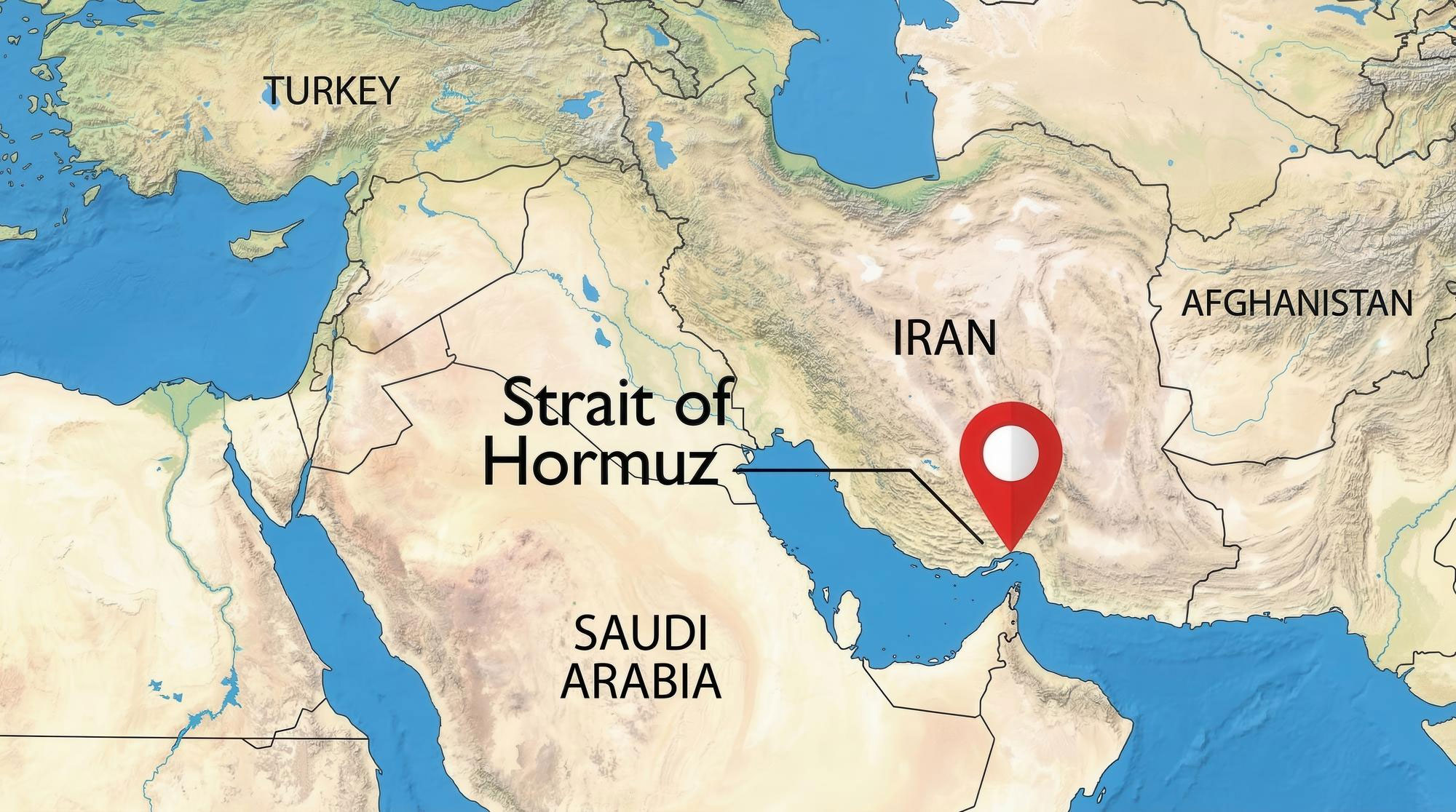
The escalation of armed conflict involving the United States, Israel, Iran, and certain Gulf states following coordinated U.S.-Israeli airstrikes in late February 2026 has significantly and immediately impacted international shipping and logistics. The Strait of Hormuz – a major maritime choke point for the global energy trade – has effectively been shut down, with daily vessel transits collapsing to a fraction of pre-war levels. The consequences for international shipping and logistics are substantial, and the potential legal implications for participants across the global maritime, energy, and supply chain industries are equally far-reaching.
The Iran-US conflict had the potential to significantly disrupt global supply chains. As the Middle East being a key hub for energy production and international shipping routes, instability in the region can have widespread economic consequences. The disruption also spread to other commodities essential to the global economy, including aluminium, fertilisers, Sulfur, Urea, ethanol and helium.
From rising energy prices to disrupted shipping routes, the Iran conflict could create major challenges for supply chain professionals, procurement teams and global businesses.
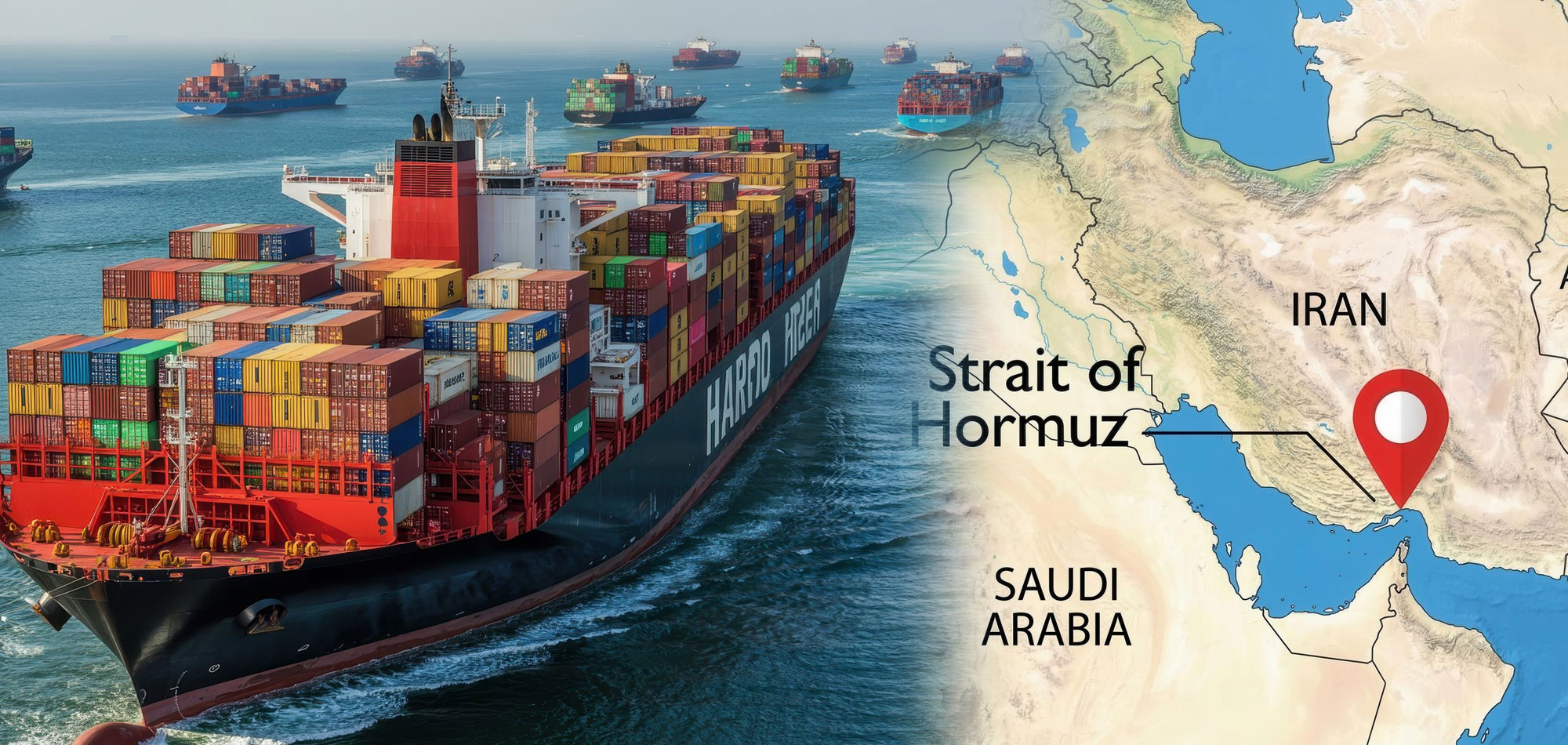
The Iran–US conflict has evolved from a regional security crisis into a major global supply-chain risk, principally because of disruption around the Strait of Hormuz, a narrow shipping route between Iran and Oman. It was found to be one of the world’s most important maritime chokepoints, with around a quarter of global crude oil and oil products shipments passing through it daily and alternative routes are limited. If conflict restricts traffic through this route, global energy supply can be affected almost immediately. Military escalation in the region has already led to disruptions in oil and natural gas shipments, contributing to rising energy prices.
The critical issue had been physical logistics, not merely the price of crude. If vessels cannot safely transit Hormuz, companies may have oil available at the source but be unable to move it efficiently to customers. This creates a classic “supply exists, but logistics capacity was constrained” problem.
2.0 Shipping Disruptions and Delays
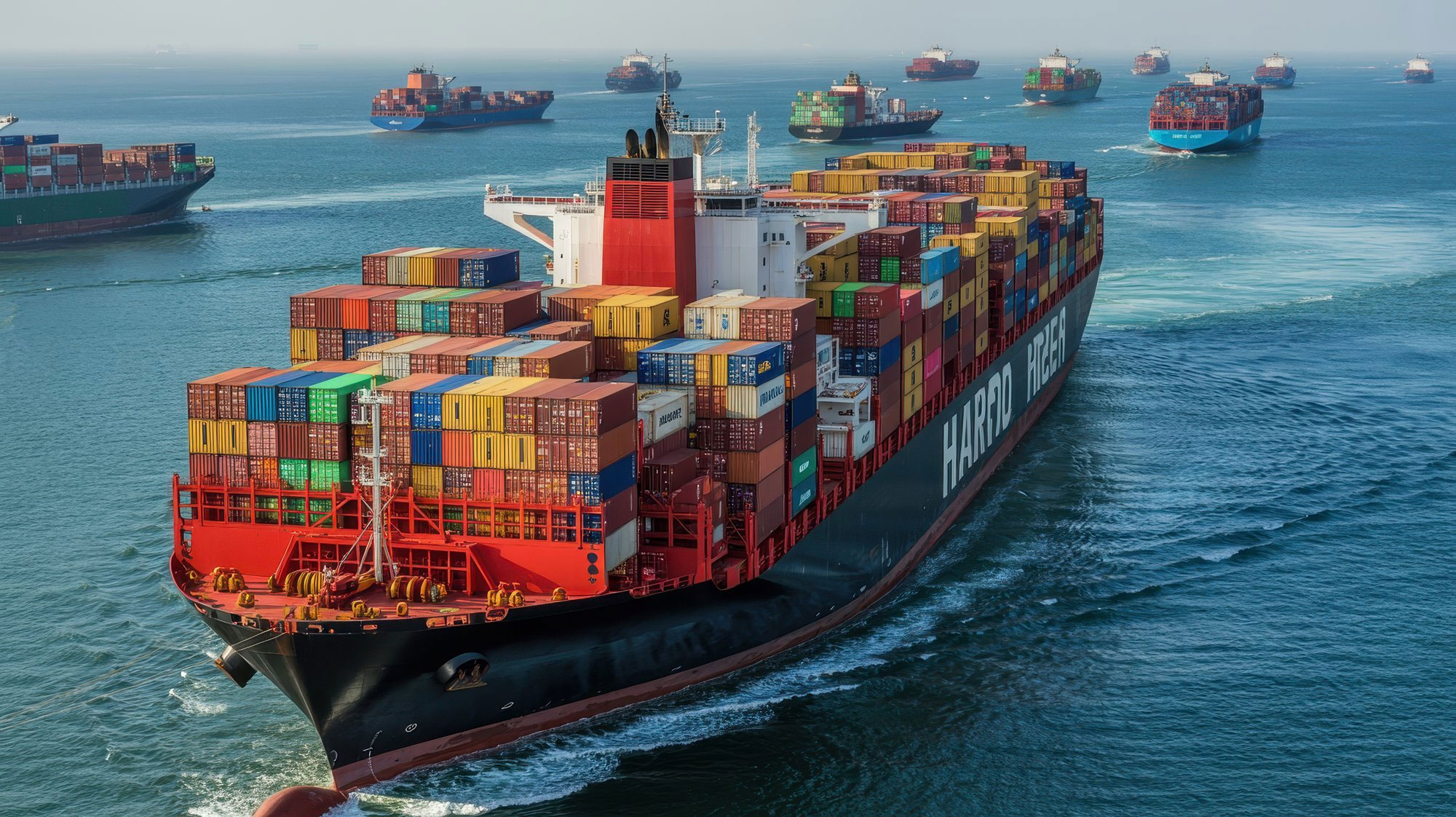
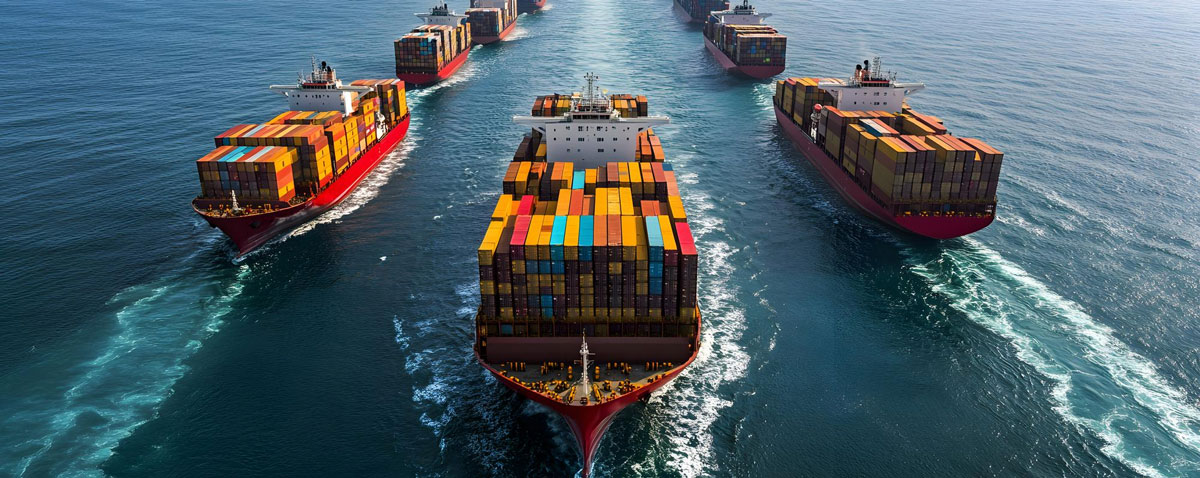
Shipping routes were heavily affected by instability in the Middle East. Increased security risks and military activity in the Persian Gulf have forced many shipping companies to Suspend operations in high-risk areas, reroute vessels away from the region and take longer routes around Africa. These changes resulted in increased transit times, higher fuel consumption, delays in delivery schedules and port congestion and bottlenecks. As a result, global logistics networks became slower and less predictable.
The knock-on effects on global container rates have been immediate. Capacity has tightened not because fewer ships exist, but because effective capacity has dropped as vessels take longer routes, spend more time at anchor or exit the trade lane entirely.
3.0 Rising Shipping Costs and Insurance Risks
The major impact had been the increase in shipping costs due to higher insurance premiums. Maritime insurers have begun raising or withdrawing war-risk coverage for vessels operating in the region. This led to increased operating costs for shipping companies, higher freight rates, cost increases passed down the supply chain. Ultimately, these costs are absorbed by businesses and consumers alike.
Insurance war-risk premiums for vessels transiting the Persian Gulf have spiked dramatically. Some carriers rerouted vessels around the Cape of Good Hope, adding 10–14 days to transit times from Asia and driving costs upward.

4.0 Rising Energy Costs and Supply Chain Impact
Energy prices play a crucial role in supply chain operations. Industries such as shipping, aviation, manufacturing and logistics all rely heavily on fuel. As oil and gas prices increase, transportation costs rise, production becomes more expensive, businesses face reduced margins and Consumers experience higher prices
For supply chain professionals, this creates pressure to optimise operations and manage cost fluctuations more effectively.
5.0 Strategic change needed in Supply-chain
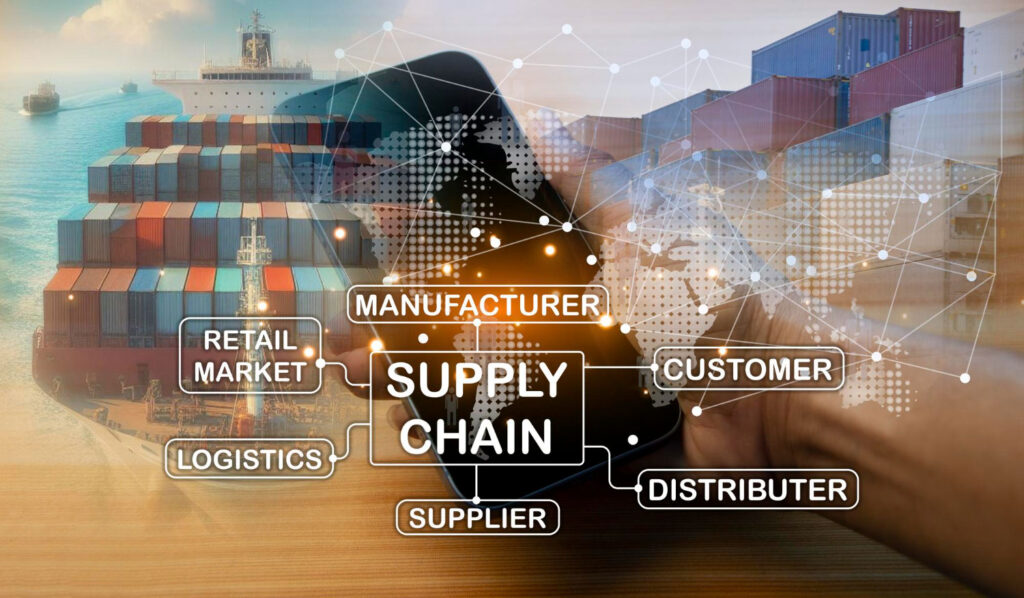
The old model of “lowest cost + just-in-time inventory” becomes increasingly vulnerable during geopolitical shocks. As a strategic move, companies considered multi-country sourcing rather than dependence on one region, alternative shipping routes and ports identified in advance, strategic inventory of critical raw materials and components, dual/multiple suppliers for high-risk materials and long-term freight contracts combined with spot-market flexibility.
The companies also considered war-risk insurance assessment for critical shipments, real-time visibility of vessels, ports and inventory, supplier financial-risk monitoring, because smaller suppliers may fail under sustained cost pressure and strategic reserves of energy and critical industrial materials.
5.1 The bigger lesson for Supply Chain Management
The Iran–US crisis demonstrates that geopolitics has become an integral component of supply-chain management. The companies accordingly reviewed and switched over to the emerging their priorities as depicted below:
| The traditional priorities were:- | The emerging priorities are:- |
| Cost → Quality → Delivery | Resilience → Security → Visibility → Cost |
More importantly, a company may save 5% by sourcing from a single low-cost region, but a geopolitical disruption can potentially wipe out months of savings through shortages, production stoppages and emergency freight.
5.2 Building More Resilient Supply Chains
Prolonged instability forced organisations to rethink their supply chain strategies. Many businesses explored ways to improve resilience, including diversifying supplier bases, increasing inventory buffers, nearshoring or reshoring production and strengthening risk management strategies
6.0 Actions taken by Industry Participants
In light of the rapidly evolving situation, industry participants considered a number of proactive measures, including, Contract Review, Review of Insurances, Contingency Planning and Sanctions Compliance. Whether the current disruption proves to be short-lived or marks a new beginning, an early and thorough assessment of operational and legal risk was crucial to reduce commercial risk exposure and preserve potential legal rights and remedies for the future.
6.1 Contract Performance and Force Majeure
The affected companies may consider invoking force majeure provisions in their affected supply contracts, charterparties, contracts of affreightment or other applicable contracts. Whether or not the current hostilities qualify as a force majeure event under a given contract will depend on the specific contractual language at issue and each contract’s governing law. Even in situations where performance technically remains possible, a substantial increase in costs to perform or the inability to maintain required insurances could be grounds for renegotiation of certain contractual terms or lend itself to claims of commercial impracticability depending on the facts and jurisdiction.
6.2 War Risk Insurance
War risk insurance had been a specialized policy typically covering damage or losses caused by war, terrorism, sabotage, riots, insurrection, or other similar perils, which are usually excluded from standard marine insurance policies. Shortly after the conflict began, many insurers issued notices cancelling coverage for vessels transiting through the Strait of Hormuz or in other adjacent waters or imposed substantial premium increases on such policies.
6.3 Air Freight in the Spotlight: Rates Climb, Capacity Strains
Air cargo historically served as the relief valve when ocean freight becomes unreliable or expensive. That dynamic was playing out again, but with an important constraint: air freight capacity not being infinitely elastic. Widebody belly capacity tied to passenger demand patterns whereas dedicated freighter fleets were finite and the Gulf conflict complicated flight routing for aircraft operating across certain airspace corridors.
As a Strategic Move, Companies needed a rapid freight triage framework, identifying which SKUs justify air, which can tolerate delay and which should shift to sea-air hybrid routing.
6.4 Carrier Surcharges and Contract Negotiations
In response to the crisis and changes in war risk coverages, some carriers have introduced war risk surcharges and other emergency pricing adjustments. Companies should review their contract provisions to understand whether such increases are permitted and whether there are any limitations. Adding further complexity to situation, the Trump Administration has temporarily eased certain limited sanctions on oil-producing countries, e.g., Russia, Venezuela, and Iran, to stabilize global energy markets. The United Kingdom and European Union did not issue corresponding sanctions relief, creating a separation between the major Western sanctions regimes, which may result in compliance difficulties for international companies subject to multiple jurisdictions.
7.0 Impact on India
India, particularly exposed because of its dependence on imported crude and its position as a major manufacturing and trading economy. Potential Impact seen in the area of higher import cost of crude oil, upward pressure on petrol/diesel prices, higher freight and Insurance for shipping, higher Aviation Turbine Fuel (ATF) costs in aviation, higher energy costs for steel and aluminium sectors, Diesel/energy and procurement-cost pressures for Railways, Potential depreciation pressure on rupee from higher import bill. Pharmaceuticals exported from India and semiconductors and batteries exported from Asia to the rest of the world are all shipped through the region and could face delays.
India could, however, benefit partially from its large refining capacity and ability to source crude from alternative suppliers. The strategic issue will be whether alternative crude can be secured at competitive prices and transported reliably.
8.0 Impact on China’s logistics
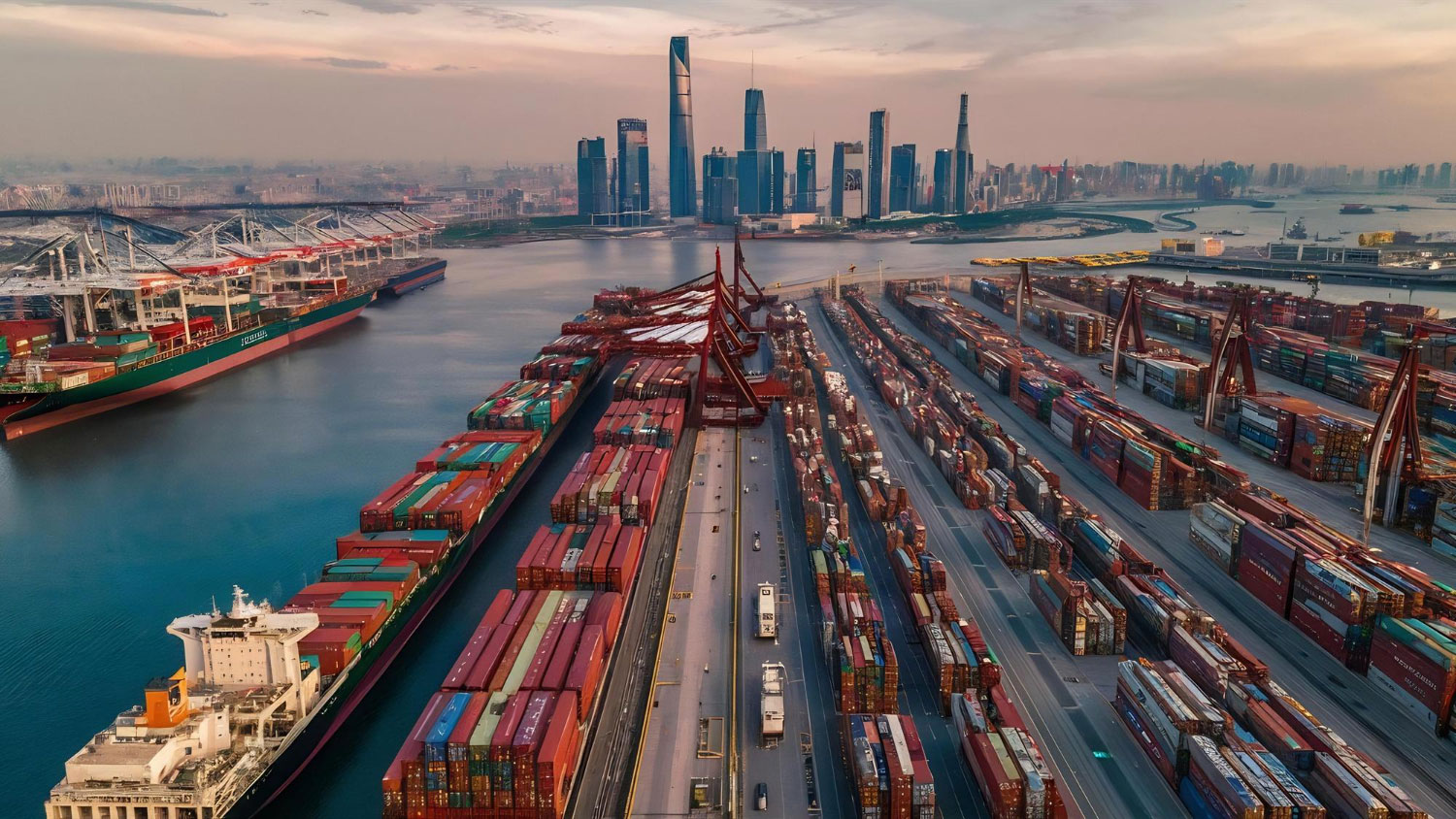
While direct effects on container freight from China to North America or Europe have varied partly because those flows don’t generally transit the Gulf. However, the conflict affected China’s logistics landscape in several ways:
- Energy cost implications: China sources a substantial share of its oil from the Middle East; disruptions through Hormuz elevate freight fuel costs and import bills, feeding into broader inflationary pressures.
- Export supply chain exposures: Delays and higher logistics costs for goods indirectly linked through global supply networks, including raw materials and intermediate products, ripple back into manufacturing and export competitiveness.
- Political calculus: Chinese logistics operators weigh risk and market opportunity differently amid geopolitical tension; one recent development has seen Chinese-owned vessels negotiating passage agreements with Iranian authorities for corridors under Tehran’s control.
At the same time, China’s broader diplomatic and economic strategy with balancing energy security with trade continuity and geopolitical positioning, indicates that logistics and supply chain resilience had been firmly part of its calculus.
9.0 Conclusions
The Iran–US conflict highlighted how vulnerable global supply chains could be to geopolitical disruption, and why resilience planning became a priority. The conflict, therefore not simply an oil-price problem. It was a test of the resilience of the entire global supply-chain architecture. For procurement and logistics professionals, the clear central lesson learnt, “The cheapest supply chain may not necessarily the most economical supply chain; the resilient supply chain had been.”
Sometimes, it won’t matter how good we are at our roles in relation to supplier evaluation and negotiation, events occur and we have to rethink our strategy, pull on our risk management knowledge and rely on our Best Alternative to a Negotiated Agreements (BATNA) to keep the supply chains moving.
In conclusion, the Iran war could have a major impact on global supply chains by disrupting energy markets, delaying shipping routes, increasing transportation costs, and restricting access to key raw materials. Because modern supply chains are highly interconnected, even regional conflicts can create ripple effects that influence global trade and the price of everyday goods.